The future machining equipment must be both efficient and versatile to meet the increasingly demanding and special customer needs and cope with the pressure of rising costs. Replacing relatively single-purpose machine tools with multi-functional and low-cost solution has become a new trend in machining, among which industrial robots are one of the most potential alternatives.
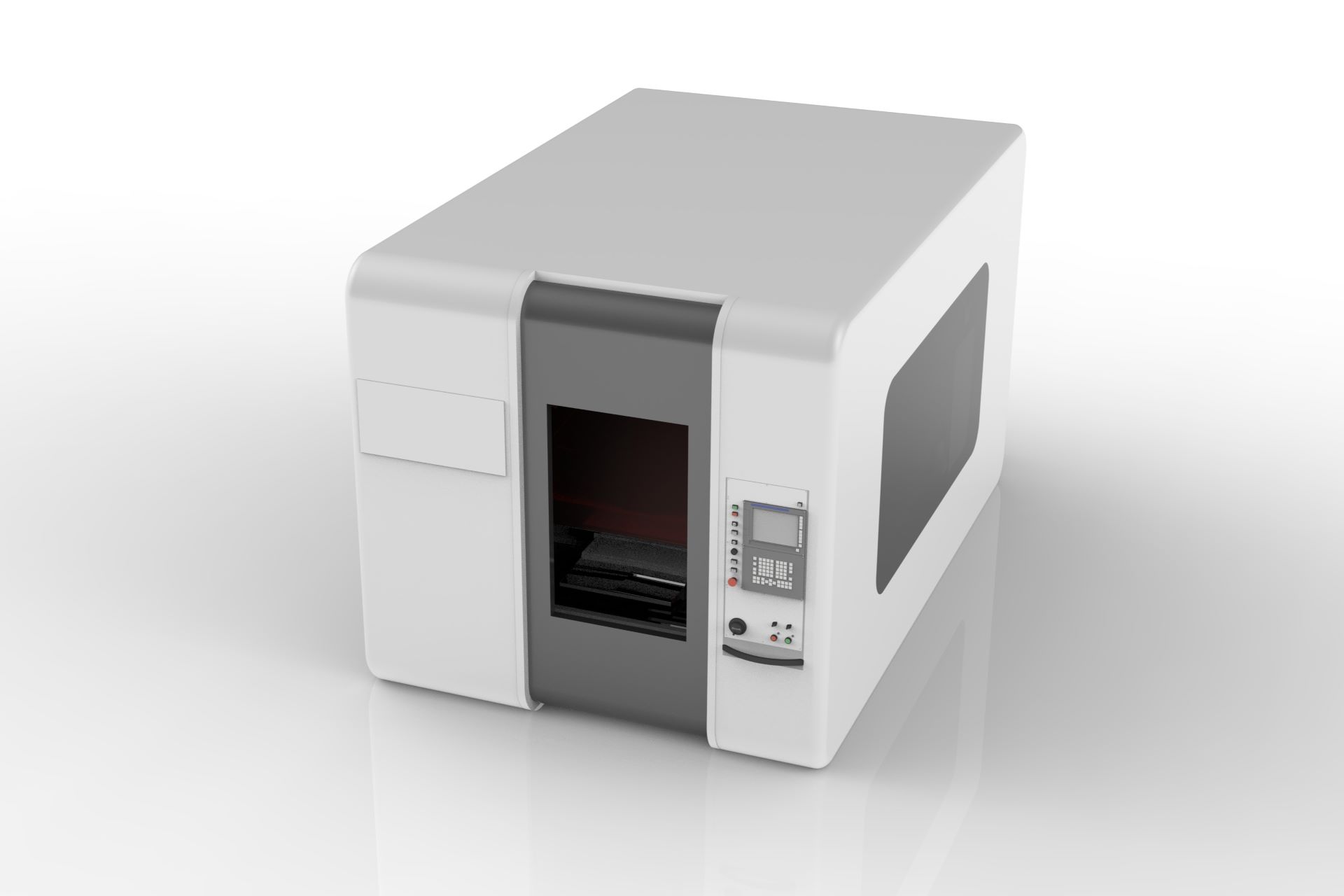
The workpiece is clamped and fixed on the work table, with the industrial robot as the core executive component, the tool is held to complete the machining, and the high-speed motor spindle, vision system, tool magazine, work table, control system, external safeguarding and other peripheral equipment together form a robot machining center.
A variety of compensation technologies such as offline compensation, real-time compensation and adaptive algorithms operate independently or together to effectively ensure the machining accuracy.

 简体中文
简体中文  English